
Bryan Gilpin
Suntra MedTech Solutions
Past Event: September 24, 2026 12:00 pm
AI can draft, summarize, classify and detect patterns at unprecedented speed. But in medtech, faster work creates value only when the evidence remains reliable, decisions are explainable and accountability is clear. Nowhere is that tension more consequential than in Quality and Regulatory. Join Kerri DiPietro, Corporate Vice President and Chief Quality Officer, and Topaz Kirlew, […]
Suntra MedTech Solutions
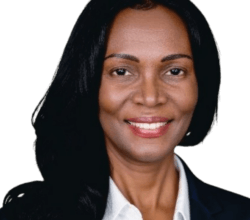
Integra LifeSciences
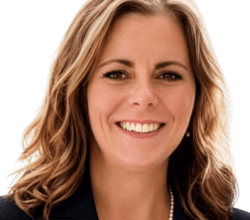
Integra LifeSciences
AI can draft, summarize, classify and detect patterns at unprecedented speed. But in medtech, faster work creates value only when the evidence remains reliable, decisions are explainable and accountability is clear. Nowhere is that tension more consequential than in Quality and Regulatory.
Join Kerri DiPietro, Corporate Vice President and Chief Quality Officer, and Topaz Kirlew, D.B.A., Corporate Vice President and Chief Regulatory Officer, of Integra LifeSciences, in conversation with Bryan Gilpin, President of Suntra Medtech Solutions, for a candid executive discussion about how AI is beginning to reshape the work of Quality and Regulatory—and what must not change.
Drawing on decades of experience across quality systems, regulatory strategy, submissions, compliance, clinical and manufacturing operations, and organizational transformation, Kerri and Topaz will explore where AI can create meaningful value, where human judgment must remain central, and what organizations need to establish before adoption can scale responsibly. The conversation will consider opportunities in regulatory intelligence, submission development, quality-data analysis, complaint handling and post-market surveillance, alongside questions involving data integrity, validation, cybersecurity, human oversight, talent and culture.
The panel will also examine how Quality and Regulatory can become earlier, more strategic partners in innovation—helping organizations make better decisions and move more quickly without compromising compliance, patient safety or trust. Attendees will leave with practical questions and leadership principles for evaluating AI opportunities and preparing their organizations for what comes next.
1
00:00:14.990 –> 00:00:18.800
Monty Sylvan (msylvan@advamed.org): Good afternoon, we’re gonna give a little time to allow more people to flow in.
2
00:00:19.150 –> 00:00:20.009
Monty Sylvan (msylvan@advamed.org): Thank you.
3
00:00:30.480 –> 00:00:31.170
Monty Sylvan (msylvan@advamed.org): Right.
4
00:00:31.490 –> 00:00:50.159
Monty Sylvan (msylvan@advamed.org): Good afternoon, everyone. Hope you’re all doing well today. My name is Monty Sylvan. I’m the coordinator for the membership department here at AdvaMed. Today, we have a fantastic webinar line for you today in partnership with SunTra MedTech Solutions, entitled Rec Quality and Regulatory at the Speed of AI, Moving Faster Without Losing Trust.
5
00:00:50.210 –> 00:01:07.280
Monty Sylvan (msylvan@advamed.org): Before we get started, I’d like to go over a bit of housekeeping. If you have any questions, please ask them in the Q&A section on Zoom. All questions will be addressed toward the end of today’s presentation. Also, today’s recording will be available to all registrants and sent out by sometime next week.
6
00:01:07.470 –> 00:01:10.450
Monty Sylvan (msylvan@advamed.org): Without further ado, I’d like to introduce…
7
00:01:10.700 –> 00:01:14.979
Monty Sylvan (msylvan@advamed.org): Bryan Gilpin, President of Central MedTech Solutions. Brian?
8
00:01:15.440 –> 00:01:17.640
Bryan Gilpin (bgilpin@suntramedtech.com): Alright, thank you very much, Monty.
9
00:01:17.780 –> 00:01:33.830
Bryan Gilpin (bgilpin@suntramedtech.com): So, hello everyone out there. So greetings from Boston, where I’m located. I don’t know where all of you are, but somewhere out there, enduring some good fall weather, which, gonna turn a little bit cooler here over the weekend, so…
10
00:01:33.940 –> 00:01:40.080
Bryan Gilpin (bgilpin@suntramedtech.com): the weather’s on the way. So welcome to, today’s webinar. So, super excited today.
11
00:01:40.230 –> 00:01:51.079
Bryan Gilpin (bgilpin@suntramedtech.com): I’ve got a topic that I’m excited to talk to you about in a number of ways, and so just to maybe dive in. So maybe I’ll start with the formal introduction.
12
00:01:51.080 –> 00:02:08.479
Bryan Gilpin (bgilpin@suntramedtech.com): And then I want to give you a little more color behind it, and what you can expect from today’s discussion, which I think you’ll find is very important, relevant to today, and relevant to whatever you may be working on, whether it’s quality Regulatory, other functions, or somewhere else in med tech.
13
00:02:08.720 –> 00:02:31.839
Bryan Gilpin (bgilpin@suntramedtech.com): So, the title of today’s discussion is Quality and Regulatory at the Speed of AI, Moving Faster Without Losing Trust. And I’ll start by thanking AdvaMed for putting this together and bringing this group together for this discussion. For all of you who are in MedTech, you know that the pressure to move faster is familiar. We’re all feeling it, we’ve been feeling it.
14
00:02:31.850 –> 00:02:40.440
Bryan Gilpin (bgilpin@suntramedtech.com): We want to bring important innovations to patients sooner, make better use of our people’s expertise, spend less time on work that adds less value.
15
00:02:40.510 –> 00:02:45.260
Bryan Gilpin (bgilpin@suntramedtech.com): And AI uniquely creates some new possibilities for doing all of that.
16
00:02:45.420 –> 00:02:50.810
Bryan Gilpin (bgilpin@suntramedtech.com): If it’s used correctly and we understand, the technology.
17
00:02:50.850 –> 00:03:10.380
Bryan Gilpin (bgilpin@suntramedtech.com): But for quality and Regulatory leaders, the responsibility behind the work remains, we still need to know whether the evidence is reliable, whether a decision is sound versus based on something fabricated, and then most importantly, who is accountable for the outcome. And that raises a question that I hope we’ll explore today.
18
00:03:10.480 –> 00:03:18.130
Bryan Gilpin (bgilpin@suntramedtech.com): when producing an answer becomes easier with technologies like AI, how do we make sure that we’re actually making better decisions?
19
00:03:18.200 –> 00:03:32.670
Bryan Gilpin (bgilpin@suntramedtech.com): And there’s also a significant opportunity here. If AI gives experienced professionals more time, could quality and regulatory contribute earlier and more meaningfully to product development and business strategy? And how do we prepare for the next generation?
20
00:03:32.730 –> 00:03:40.620
Bryan Gilpin (bgilpin@suntramedtech.com): of, quality Regulatory employees and med tech in general to develop the judgment those contributions require.
21
00:03:40.670 –> 00:03:53.979
Bryan Gilpin (bgilpin@suntramedtech.com): So, maybe a few thoughts on that. That was kind of the official introduction. There’s a few thoughts just to kind of get us going. I know many of you out there are seeing the title.
22
00:03:53.980 –> 00:04:06.240
Bryan Gilpin (bgilpin@suntramedtech.com): Quality and Regulatory, so we love quality and Regulatory. I’m not a quality and Regulatory person. Topaz and Kirlew, Topaz and Kerri know that, of course. This is applicable to all of you.
23
00:04:06.490 –> 00:04:17.190
Bryan Gilpin (bgilpin@suntramedtech.com): The things that we’re gonna get into are related to things like judgment. It’s things like organization and management without creating bureaucracy.
24
00:04:17.190 –> 00:04:29.910
Bryan Gilpin (bgilpin@suntramedtech.com): It’s about leadership, and it’s about people development. These are the core topics that are coming up in this age of AI and with the tools that are being introduced to all of us in these organizations.
25
00:04:29.980 –> 00:04:32.560
Bryan Gilpin (bgilpin@suntramedtech.com): Second thing I want to emphasize is that
26
00:04:32.740 –> 00:04:34.720
Bryan Gilpin (bgilpin@suntramedtech.com): We need to look to the future.
27
00:04:34.980 –> 00:04:52.270
Bryan Gilpin (bgilpin@suntramedtech.com): as we consider all of this, and I’ll just use the example. So at Central MedTech, where we do a lot of software development for our clients. When I look at what we were doing 2 years ago versus what we’re doing a year ago versus what we’re doing today, it is dramatically different.
28
00:04:52.360 –> 00:05:03.699
Bryan Gilpin (bgilpin@suntramedtech.com): And the curve is just accelerating. And the… kind of the point that I’ll make in that, for those of you who have been around for a little while, so I was around during the dot-com time.
29
00:05:04.060 –> 00:05:19.620
Bryan Gilpin (bgilpin@suntramedtech.com): that felt somewhat similar. Big things happening, a lot of money moving, some people getting rich, other people trying to, like, me just trying to figure things out. This, somehow, AI feels different. You know, it feels bigger.
30
00:05:19.720 –> 00:05:35.730
Bryan Gilpin (bgilpin@suntramedtech.com): There’s bigger implications and more going on. It feels like we’re just at the start of that. So as we get into this conversation, I think it’s important to think about not just what we have now at this moment, but where this is going, and how we prepare for what’s coming up.
31
00:05:35.870 –> 00:05:42.299
Bryan Gilpin (bgilpin@suntramedtech.com): And I think that’ll come out of some of the questions here. So, without further ado, let me introduce our two guests.
32
00:05:42.450 –> 00:05:51.729
Bryan Gilpin (bgilpin@suntramedtech.com): So, so first, the two guests, by the way, I’m excited to have both Kerri and Topaz here. Folks, in terms of…
33
00:05:51.780 –> 00:06:02.409
Bryan Gilpin (bgilpin@suntramedtech.com): leadership, not just in terms of quality and regulatory, but in med tech in general. I’m excited to have two of the best here in front of you, in front of me.
34
00:06:02.410 –> 00:06:19.079
Bryan Gilpin (bgilpin@suntramedtech.com): And most importantly, two of the most thoughtful, pragmatic thinkers that I know who can talk about a topic like this. So, Kerri DiPietro is Corporate Vice President and Chief Quality Officer at Integra Life Sciences, where she leads the global quality organization.
35
00:06:19.310 –> 00:06:31.749
Bryan Gilpin (bgilpin@suntramedtech.com): Before joining Integra, Kerri led global quality and compliance at Heymanetics, and earlier in her career, she held roles across research and development, operations, and quality at Boston Scientific.
36
00:06:31.990 –> 00:06:47.519
Bryan Gilpin (bgilpin@suntramedtech.com): And that experience across the product lifecycle gives Kerri a valuable perspective on how quality supports, broadly innovation, and what it takes to translate a commitment to quality into everyday decisions and behaviors. So, Kerri, welcome, and thank you for joining us.
37
00:06:48.370 –> 00:06:49.769
Kerri DiPietro: And then next to, like…
38
00:06:49.950 –> 00:07:02.169
Bryan Gilpin (bgilpin@suntramedtech.com): Next, I’d like to introduce Topaz Kirlew. Dr. Topaz Kirlew is Corporate Vice President and Chief Regulatory Officer at Integra Life Sciences, where she leads global Regulatory strategy.
39
00:07:02.360 –> 00:07:20.369
Bryan Gilpin (bgilpin@suntramedtech.com): Topaz brings more than 35 years of industry experience spanning regulatory affairs, quality clinical work and operations. She began her career as a clinical laboratory scientist, and went on to leadership roles at organizations including Danaher, Apex Medical, and BioTissue.
40
00:07:20.570 –> 00:07:32.310
Bryan Gilpin (bgilpin@suntramedtech.com): Her background connects the clinical purpose of our work with the regulatory and business decisions needed to bring it into practice. She also holds both an MBA and a doctorate in business administration.
41
00:07:32.410 –> 00:07:34.120
Bryan Gilpin (bgilpin@suntramedtech.com): Topaz, welcome.
42
00:07:34.590 –> 00:07:35.250
Topaz Kirlew: Thank you, Brian.
43
00:07:35.250 –> 00:07:36.120
Bryan Gilpin (bgilpin@suntramedtech.com): Join us.
44
00:07:36.380 –> 00:07:40.400
Topaz Kirlew: Great to be here, I’m in great company between you and Kerri, so thanks for having me.
45
00:07:40.400 –> 00:07:42.289
Bryan Gilpin (bgilpin@suntramedtech.com): Absolutely. Okay, so…
46
00:07:42.570 –> 00:07:59.360
Bryan Gilpin (bgilpin@suntramedtech.com): If you’re ready, let’s dive in. So, let’s start with kind of the little more of the practical side of AI, and how it’s currently delivering value, and where you’re seeing that. So I’ll start, Topaz, with you first.
47
00:07:59.510 –> 00:08:10.040
Bryan Gilpin (bgilpin@suntramedtech.com): So what is one application of AI and regulatory that you believe is worth pursuing now? And what would you convince you that it’s actually improving what you’re doing?
48
00:08:10.780 –> 00:08:27.780
Topaz Kirlew: Great, yeah, I think that one application worth pursuing, and we’ve actually… we’re doing this now, is AI-assisted Regulatory assessments and submission development. So, in other words, we’re using AI to organize our source information, we use it to prepare a first draft.
49
00:08:27.780 –> 00:08:47.490
Topaz Kirlew: And then we challenged the work from a regulator’s perspective while the regulatory professional still retains the judgment and the final accountability. So in Global Regulatory Affairs, we piloted this approach for that application, and the results are that it reduced the time to complete regulatory assessments in this pilot case by about 80%.
50
00:08:47.490 –> 00:09:01.140
Topaz Kirlew: It saved us approximately 25% in our submission drafting time, and it helped us reduce the average request for additional information on FDA 30-day notices from approximately 1.5 requests
51
00:09:01.140 –> 00:09:08.769
Topaz Kirlew: to zero. So I would consider generally improving the work only if we see both efficiency and quality.
52
00:09:08.770 –> 00:09:14.569
Topaz Kirlew: So, that would mean shorter cycle times, a more consistent and complete output.
53
00:09:14.570 –> 00:09:34.180
Topaz Kirlew: fewer deficiencies or rework, and more expert capacity that can be redirected to risk assessments, strategy, and the things that really matter. So the gains must be achieved with, of course, the approved tools, the source verification, the appropriate governance and guardrails for
54
00:09:34.180 –> 00:09:42.730
Topaz Kirlew: Acceptable use, subject matter, expert review, making sure data is protected, and again, ending with clear human accountability.
55
00:09:43.510 –> 00:09:58.679
Bryan Gilpin (bgilpin@suntramedtech.com): Yeah, very nice. An excellent example, and I think we’ll feed into a lot more of the questions coming up, but before we dive in further into that, Kerri, I’ll turn it to you. So what’s an application that you see in quality, and which convinces you that it’s working?
56
00:09:59.790 –> 00:10:14.370
Kerri DiPietro: Yeah, so I think there are many that I could cite, and a lot that we’re exploring, or piloting, or using, but I’ll aim my answer at something that… to people who maybe aren’t using it, and aren’t maybe ready for a validated tool.
57
00:10:14.580 –> 00:10:24.429
Kerri DiPietro: But something super practical, which the FDA is using today, which is basically dumping all of your data, your Kappa, your complaints, your NCs.
58
00:10:24.630 –> 00:10:35.780
Kerri DiPietro: And looking for trends. Now, we all have trend processes that we use. We use them all the time. Most, you know, most companies have them, and they’re defined, and… or we… we have to have them.
59
00:10:36.030 –> 00:10:44.200
Kerri DiPietro: But we rarely look at all those things in aggregate, except for in our PSURs, our yearly end. We often are using
60
00:10:44.670 –> 00:10:55.770
Kerri DiPietro: Trending tools and rules that are… are not as insightful as they could be, and they’re limited by human time and the quantity of data that we have to look at.
61
00:10:56.230 –> 00:11:12.440
Kerri DiPietro: And for anybody who’s been through an FDA inspection recently, they’re just asking for our data, and they’re dumping it right into a tool. And they’re looking at that tool, and they’re not looking at it to draw a conclusion. They’re looking at it to gain some insights on where they should look further.
62
00:11:12.450 –> 00:11:19.620
Kerri DiPietro: And that’s a very easy application that you can… anybody can use now, if they have a protected environment.
63
00:11:19.910 –> 00:11:30.430
Kerri DiPietro: It won’t give you an answer, but it will give you a hint, and it will give you some insights that maybe you would have otherwise missed, and it can be super enlightening. So, I would say for anybody who’s
64
00:11:30.430 –> 00:11:39.950
Kerri DiPietro: not currently using AI are looking for ad hoc ways just to introduce and drive some immediate value or some insights.
65
00:11:41.610 –> 00:11:49.150
Kerri DiPietro: I would suggest that it’s just a place to start. It’s very interesting, what you’ll get as an output in the direction that it will lead you.
66
00:11:50.210 –> 00:12:04.479
Bryan Gilpin (bgilpin@suntramedtech.com): Alright, thank you. And I’ll just… the general comment, it’s scary to think that… so the FDA is also using AI tools as well, during the inspection, to know what to ask and where to dive deeper.
67
00:12:04.690 –> 00:12:12.840
Kerri DiPietro: Yes, and they’re saying, hey, I saw a trend here, tell me about it. And you… you may or may not have saw that trend. They might…
68
00:12:13.060 –> 00:12:32.619
Kerri DiPietro: And so it’s… it’s, it’s… it’s a different way of looking at the world. It also helps you to ask yourself, why isn’t my current validated model helping me to see this? So it generates… it generates not just an insight about your data, but an insight about the way you’re looking at your data today.
69
00:12:33.430 –> 00:12:42.299
Topaz Kirlew: And Kerri to that point, you know, if regulators are using it, and we’re not in industry, we’re behind the curve, right? So we need to really get up to speed, yeah.
70
00:12:43.790 –> 00:13:03.570
Bryan Gilpin (bgilpin@suntramedtech.com): Yeah, and for both of you, do you… so it’s interesting, is there’s an element to doing things faster, getting more information. Is any part of the tool around freeing up time, or doing more with less, or is that part of what you’re looking for, or is it different than that?
71
00:13:04.640 –> 00:13:19.909
Kerri DiPietro: Yeah, I would… so, I mean, as you said in the introduction, right, all of us in, you know, our… you know, all of the leaders that are on this call, or managers, we’re all being asked to do more with less.
72
00:13:20.390 –> 00:13:24.999
Kerri DiPietro: And I, I thought about this, Brian, in terms of…
73
00:13:26.480 –> 00:13:36.580
Kerri DiPietro: you know, what do we fill that time with, right? Not everything is a reduction in force or cost savings. Some of these tools are just practically freeing up time.
74
00:13:37.240 –> 00:13:55.950
Kerri DiPietro: And, you know, there are a couple really important things that I see as trends that often I hear people don’t feel they have enough time for. And if we’re thinking about the value of AI, obviously there’s time savings, there’s potential, you know, improvement in quality and the output of what we’re doing.
75
00:13:56.930 –> 00:14:04.490
Kerri DiPietro: But there is also this concept of just creating space for people to do things they don’t have time to do today.
76
00:14:04.620 –> 00:14:10.130
Kerri DiPietro: And… and for me, one of the big things that… that I see
77
00:14:10.330 –> 00:14:23.710
Kerri DiPietro: Frequently, company to company, and particularly with young engineers or people new to the company, is they don’t have time to learn the products, to really, really understand our products.
78
00:14:23.940 –> 00:14:29.750
Kerri DiPietro: You know, and if we think about AI taking on the burden of Maybe manual rote…
79
00:14:30.100 –> 00:14:40.109
Kerri DiPietro: Topics, but we want to really drive that human accountability and oversight In that management of risk.
80
00:14:41.240 –> 00:14:45.450
Kerri DiPietro: That starts with people understanding the patient and the product
81
00:14:45.580 –> 00:14:58.539
Kerri DiPietro: deeply, deeply, right? In a way that AI isn’t replacing right now, so that they can bring that judgment, they can bring that human oversight, and they can connect the outcomes to the patients.
82
00:14:58.650 –> 00:15:06.589
Kerri DiPietro: So as I thought about this, you know, if I… if my organization frees up time, the first thing I want them to do
83
00:15:06.780 –> 00:15:12.849
Kerri DiPietro: is to learn more about our products. To feel deeply, deeply connected to the products and the patients.
84
00:15:13.570 –> 00:15:16.699
Kerri DiPietro: to get the most value out of them as an SME.
85
00:15:17.770 –> 00:15:20.389
Kerri DiPietro: So, just some thoughts there about that one.
86
00:15:21.660 –> 00:15:22.670
Topaz Kirlew: Good Kerri?
87
00:15:23.250 –> 00:15:44.890
Topaz Kirlew: I would add to that, Kerri, that, you know, when we talk about time and hours saved, that’s a factor, but looking at measuring success, it’s also the value and the quality of the decisions that it enables, and that’s important. And so, once we’ve gotten that, and we actually have that time, I would look from Regulatory as
88
00:15:44.890 –> 00:16:02.129
Topaz Kirlew: Doing things that really engage… allowing us to engage earlier with product development, anticipating evidence and market access requirements, identifying risks before they become delays or costly rework, and then creating more capacity for regulatory intelligence.
89
00:16:02.130 –> 00:16:08.939
Topaz Kirlew: Cross-functional scenario planning, which we never have time for, and most importantly, direct coaching of our teams.
90
00:16:08.940 –> 00:16:31.850
Topaz Kirlew: So the value, in my mind, for AI is not that people complete the work faster, it’s that, as regulatory professionals, we can spend more time shaping better strategies, strengthen the decisions that we make, and helping the company to bring safe, effective products to patients more efficiently. For me, that’s the goal. Faster is part of it, but only a very small part of it.
91
00:16:32.890 –> 00:16:34.290
Bryan Gilpin (bgilpin@suntramedtech.com): Fantastic.
92
00:16:34.310 –> 00:16:56.829
Bryan Gilpin (bgilpin@suntramedtech.com): I can tell you as an engineering leader, so, Kirlo very much welcome Regulatory early in the process and helping to guide that. And Kerri also, the same thing, our emphasis on getting into that understanding the product, understanding the human engagement, understanding the workflow and the clinical side is exceptionally valuable.
93
00:16:57.910 –> 00:17:01.019
Kerri DiPietro: Yeah, yeah, and we struggle. I mean, I feel like with…
94
00:17:01.210 –> 00:17:09.560
Kerri DiPietro: You know, we often struggle balancing the time to do that with producing the outputs that we have to produce every day.
95
00:17:09.670 –> 00:17:29.379
Kerri DiPietro: You know? So, if we can create a little bit of capacity using these tools… I mean, hopefully, I mean, we know that that will generate great capacity, right? But… but even on the day-to-day, just some of the simple things to create capacity to improve time for learning, can be hugely impactful to an organization.
96
00:17:29.680 –> 00:17:44.349
Topaz Kirlew: Kerri, you know, we talk about what we just… what we just discussed… discussed for capacity, but then there’s a reality that, you know, regulatory requirements, the bar is being raised. There are more and more countries
97
00:17:44.350 –> 00:18:00.999
Topaz Kirlew: putting forth the regulations, and so we’re being tasked to do more with what we have. So, in addition to everything we just talked about, just being able to do more with the teams that you have, and to get that enhanced efficiency, that’s a big plus.
98
00:18:01.650 –> 00:18:03.110
Kerri DiPietro: Yeah, absolutely.
99
00:18:03.400 –> 00:18:20.920
Bryan Gilpin (bgilpin@suntramedtech.com): All right, folks, so now I’d like to kind of keep… continue on the theme, but in a little bit of a different spin, and that’s it. So, if you’re freeing up time, you’re freeing up the capability, all of this hinges on the ability to trust what you’re getting from the AI models, right?
100
00:18:20.940 –> 00:18:35.460
Bryan Gilpin (bgilpin@suntramedtech.com): And so, so I’d like to ask you the question, and I guess, Topaz, I’ll start with you again first on this one. So when an AI-generated answer, or document, or whatever looks credible.
101
00:18:35.520 –> 00:18:45.120
Bryan Gilpin (bgilpin@suntramedtech.com): What would your team need to see before using it in a regulatory decision, or in a submission, or whatever? How do you manage that level of quality?
102
00:18:45.400 –> 00:18:59.879
Topaz Kirlew: It’s a great question, and also an important one, because, you know, again, a credible answer is only the beginning. Before using it in, say, a consequential decision, we should be able to trace every material conclusion to an authoritative source.
103
00:18:59.880 –> 00:19:11.479
Topaz Kirlew: We need to confirm that the inputs are complete and they’re current, and that we have the appropriate subject matter expert test the output against the product, as far as the context.
104
00:19:11.480 –> 00:19:24.240
Topaz Kirlew: the applicable regulatory requirements and the known risk. So the level of scrutiny should match the consequence. So for decisions that could affect patient safety, broader quality, data integrity, or even compliance.
105
00:19:24.240 –> 00:19:36.830
Topaz Kirlew: We require that the documented human review be there, that there’s a clear decision authority, and we validate where we need to. So AI can accelerate the analysis.
106
00:19:36.830 –> 00:19:57.380
Topaz Kirlew: But it can’t be the final decision maker, because the accountable professional has to understand the evidence, they need to resolve any inconsistencies, and be prepared to defend the decision to regulators. So we own it at the end of the day. AI is like an assistant that can help you, get you jump-started, but that’s not the end, that’s just the beginning.
107
00:19:57.690 –> 00:20:02.399
Bryan Gilpin (bgilpin@suntramedtech.com): Okay, yeah, good. And so, we hear the term frequently, human in the loop.
108
00:20:02.850 –> 00:20:10.330
Bryan Gilpin (bgilpin@suntramedtech.com): So kind of what you’re saying is that it’s important to always have that human in the loop in your process to check.
109
00:20:10.560 –> 00:20:11.610
Topaz Kirlew: Absolutely.
110
00:20:11.610 –> 00:20:17.779
Bryan Gilpin (bgilpin@suntramedtech.com): So, Kerri, what about you? Any thoughts on how you make sure that what you’re seeing is…
111
00:20:17.920 –> 00:20:20.290
Bryan Gilpin (bgilpin@suntramedtech.com): Is… is appropriate.
112
00:20:21.280 –> 00:20:29.310
Kerri DiPietro: Yeah, I think, I mean, Topaz really, really covered it, but I mean, I think it’s that, that, I mean.
113
00:20:29.600 –> 00:20:36.759
Kerri DiPietro: One, I think teams… doing everything Topaz said, I 100% agree. I would say, in addition to that.
114
00:20:37.650 –> 00:20:49.549
Kerri DiPietro: really question yourself whether you actually have an SME to evaluate this. I mean, I think there’s a… there is sometimes a,
115
00:20:50.910 –> 00:21:01.829
Kerri DiPietro: It could be easy, right, to defer to an AI-generated output, and yes, you could trace everything, yes, you can get back to source.
116
00:21:02.180 –> 00:21:21.950
Kerri DiPietro: But organizations challenging themselves to say, do you really have an expert that’s overseeing this AI model? Do you really have an SME that can speak to that? And are you trying to replace your lack of subject matter expertise by using this AI model? So there’s one. I think just companies have to be
117
00:21:22.230 –> 00:21:25.370
Kerri DiPietro: And I think this… in this age of AI, there…
118
00:21:25.860 –> 00:21:36.969
Kerri DiPietro: there will be, 10 years from now, a generation of people who have never done the work without AI, right? So, do you have people that have that subject matter expertise, and then…
119
00:21:37.980 –> 00:21:38.660
Kerri DiPietro: I…
120
00:21:38.970 –> 00:21:50.249
Kerri DiPietro: I think to… to Topaz’s point, really questioning if we’re wrong, what’s the… what’s the consequence? And… and the amount of verification
121
00:21:50.540 –> 00:21:53.249
Kerri DiPietro: Needs to, and the amount of human in the loop.
122
00:21:53.770 –> 00:21:57.339
Kerri DiPietro: Needs to be commiserate with the answer to that question.
123
00:21:59.030 –> 00:22:02.900
Kerri DiPietro: Because, at the end of the day, a regulator’s gonna come in, and you can’t…
124
00:22:03.270 –> 00:22:07.319
Kerri DiPietro: you can’t point to an AI, or you can’t… you can’t point, you know…
125
00:22:07.510 –> 00:22:14.220
Kerri DiPietro: You can’t point to anything other than the human judgment that you made and the documentation that you have, so it all has to hang together.
126
00:22:15.270 –> 00:22:21.170
Bryan Gilpin (bgilpin@suntramedtech.com): Yeah, and so here, it’s an interesting thought, which is that… so you need that SME.
127
00:22:21.330 –> 00:22:35.930
Bryan Gilpin (bgilpin@suntramedtech.com): And as we get further with it, I mean, now we’re at a point where we have SMEs who have lived a non-AI life, if you will, right? And to your point is that now, as we get more people, that’s what they’ve known.
128
00:22:36.400 –> 00:22:40.970
Bryan Gilpin (bgilpin@suntramedtech.com): There can be that over-reliance on the tool.
129
00:22:41.430 –> 00:22:49.240
Bryan Gilpin (bgilpin@suntramedtech.com): Versus knowing when and how to… how to have that expert judgment, developing people that have that expert judgment.
130
00:22:49.640 –> 00:22:50.370
Bryan Gilpin (bgilpin@suntramedtech.com): Yeah.
131
00:22:50.370 –> 00:22:51.300
Kerri DiPietro: Yeah, it’s…
132
00:22:51.420 –> 00:22:59.089
Kerri DiPietro: It’s definitely a… it’s going to be a problem for us to solve, I would say. Not just in our industry, I think across… across industries, for sure.
133
00:22:59.460 –> 00:23:18.409
Bryan Gilpin (bgilpin@suntramedtech.com): For sure. And then you brought up the idea that, so how you have the human in the loop, or whatever you want to call it, is important based on what’s the level of risk. How important is the decision? How important is the document? And so, how do you judge that? How do you know where you’re willing to accept
134
00:23:18.440 –> 00:23:30.249
Bryan Gilpin (bgilpin@suntramedtech.com): What’s coming out, how do you know how much human in the loop to have? How do you think about which ones we really need to have tight controls versus where you can let things kind of just go on their own?
135
00:23:31.920 –> 00:23:37.980
Kerri DiPietro: I think the first… I mean, practical question you can ask yourself is, if we’re wrong.
136
00:23:38.880 –> 00:23:52.870
Kerri DiPietro: how will you… how will you know? And if you’ll know because you end up with a warning letter, or you’ll know because a patient is harmed, or you’ll know… if the only way you’re going to know is going to create significant risk.
137
00:23:53.690 –> 00:24:02.800
Kerri DiPietro: You know, that’s your measure. It’s not just what the thing is, it’s that you’re using AI for, it’s what’s the consequence of that decision being wrong.
138
00:24:03.110 –> 00:24:07.030
Kerri DiPietro: And when will you know it, and how will you know it, and where will you know it?
139
00:24:07.880 –> 00:24:14.690
Kerri DiPietro: You know? So, if you use AI as an ad hoc tool to look at some data.
140
00:24:15.060 –> 00:24:21.359
Kerri DiPietro: But ultimately, you’re gonna validate, you know, you’re gonna take that output, you’re gonna validate it, and you’ll know it’s wrong.
141
00:24:22.280 –> 00:24:26.860
Kerri DiPietro: you know, in design, in a PQ, or you’ll know it’s wrong.
142
00:24:26.960 –> 00:24:31.809
Kerri DiPietro: In your DOE, when you get your DOE results, right? That’s very different than
143
00:24:31.980 –> 00:24:50.810
Kerri DiPietro: if we make this wrong decision, the first place we’ll see it is external to the four walls of our company. The first place we’ll see it is in an audit. The first place we’ll see it is in an outcome to a patient, right? The first place we’ll see it is when we missed a signal on a safety event.
144
00:24:51.060 –> 00:25:01.500
Kerri DiPietro: So, I think it’s the outcome, not just the task at hand, that teams always have to ask themselves, and ask themselves where and how will you know that you are wrong?
145
00:25:02.350 –> 00:25:07.910
Bryan Gilpin (bgilpin@suntramedtech.com): Great. And Topaz, from a regulatory standpoint, is that the way you also think about it?
146
00:25:08.500 –> 00:25:17.430
Topaz Kirlew: Yeah, what Kerri described is definitely on spot for Regulatory. I can give my opinion on areas that we
147
00:25:17.430 –> 00:25:30.959
Topaz Kirlew: I would recommend that you can move faster, and that’s where you’re supporting low-risk, reversible work. So, when you’re organizing information, you’re summarizing known requirements, you’re comparing documents, where you’re identifying gaps.
148
00:25:30.960 –> 00:25:40.009
Topaz Kirlew: You’re generating a first draft, or you’re challenging the team’s thinking. So those can improve speed without transferring the decision authority to the tool.
149
00:25:40.010 –> 00:25:50.159
Topaz Kirlew: But when you talk about the scenario that Kerri mentioned, where the output could affect patient safety or product quality, or the regulatory strategy.
150
00:25:50.160 –> 00:26:08.820
Topaz Kirlew: Or interpreting something that is ambiguous. Or, you know, those are the ones that we would need to slow down and be sure that, you know, those are the higher risk ones that we want to be sure that the consequences of being wrong are not at a very high risk level.
151
00:26:09.760 –> 00:26:10.390
Bryan Gilpin (bgilpin@suntramedtech.com): Great.
152
00:26:10.390 –> 00:26:19.449
Topaz Kirlew: So it’s really… yeah, so being wrong and being able to detect it, as Kerri said, and correct it before it matters, is where you kind of draw that line.
153
00:26:19.950 –> 00:26:24.949
Bryan Gilpin (bgilpin@suntramedtech.com): Okay, so let me ask the painful question. Have you had an experience where it’s been wrong?
154
00:26:25.230 –> 00:26:30.619
Bryan Gilpin (bgilpin@suntramedtech.com): And you didn’t catch it? Anything you can talk about and share with the group here?
155
00:26:33.280 –> 00:26:38.770
Kerri DiPietro: I mean, I can share… I can share where it’s been wrong. I caught it, but I can share…
156
00:26:39.200 –> 00:26:49.539
Kerri DiPietro: But I can share where it has been wrong. But I’ll share where it was wrong, and I’ll share… it was kind of, maybe in my earlier days of using AI.
157
00:26:49.800 –> 00:26:52.169
Kerri DiPietro: And what I learned about it, right, which…
158
00:26:52.350 –> 00:27:05.409
Kerri DiPietro: maybe very basic to the folks on the phone, but I’ll share it anyway. And it was comparing a bunch of internal audit reports, right, and looking, you know, asking, like, just dumping a bunch of reports in, saying, tell me some trends, tell me where the highest risk is.
159
00:27:05.950 –> 00:27:20.720
Kerri DiPietro: And it just became… and the output, I would say, it underclosed certain risks, it overemphasized other risks, and it was just really, it struck me right in the face, that’s very obvious, but, you know.
160
00:27:21.250 –> 00:27:38.399
Kerri DiPietro: you have to build a world in order… in the… you have to build the world for AI in a context and an ecosystem for it to give you the right output, right? So, I hadn’t told it anything about the product, the product risk, the types of manufacturing facilities we’re in.
161
00:27:38.610 –> 00:27:40.380
Kerri DiPietro: And so, it…
162
00:27:40.680 –> 00:27:58.090
Kerri DiPietro: it basically took everything and compared it to a single standard, which wasn’t true, right? And so, when using AI, in every, you know, like I said, it’s probably basic for most people now, but creating that context, correct prompt writing, correct…
163
00:27:58.350 –> 00:28:15.820
Kerri DiPietro: what I call ecosystem building for it to make decisions within, is really important. And without, you know, without that, you get very generic answers, and sometimes that… the… it’s so generic that it… it is, in fact, incorrect.
164
00:28:16.120 –> 00:28:33.199
Kerri DiPietro: And so I think… I think that learning how to do that, understanding that, helping your organization understand that is… is pretty important. To get the value out of it. That’s just, like, day-to-day value. So, Topaz, I know you probably have more… I mean, I have a lot of examples.
165
00:28:33.200 –> 00:28:34.200
Bryan Gilpin (bgilpin@suntramedtech.com): Guys, you look like you’re a.
166
00:28:34.200 –> 00:28:36.140
Kerri DiPietro: I’m just saying, please.
167
00:28:36.860 –> 00:28:41.089
Kerri DiPietro: I’ve had some more painful ones, but that’s an easy one to share.
168
00:28:41.090 –> 00:29:01.420
Topaz Kirlew: I have examples. We’ve been able to catch them. I can give… start with a very simple one. You know, now that we have AI, everyone’s an expert, right? It’s like Oprah in the cars, you get one, you get one. Everyone’s an expert. And so, when you look at regulations and interpretation of regulations, which is what Regulatory’s main function is.
169
00:29:01.420 –> 00:29:05.759
Topaz Kirlew: And you have other groups that don’t have that expertise.
170
00:29:05.760 –> 00:29:17.039
Topaz Kirlew: coming to conclusions on the interpretation, that we then had to go through Regulatory to say, well, actually, on the surface, it looks like that. It’s a very polished response.
171
00:29:17.040 –> 00:29:41.000
Topaz Kirlew: seems to make sense. It seems very plausible, but when you go and you dig in with the experience and the judgment, you realize that it’s much more nuanced and there’s more to it. And so, I’ve put in queries into AI for things that I knew the answer, but I just wanted them to be able to phrase it more beautifully for me than how I normally speak.
172
00:29:41.000 –> 00:30:00.859
Topaz Kirlew: And I was surprised at the output, and so I treat the agent as if it’s an assistant that I’m very tough on. I said, well, that’s actually not correct. Did you look at this? Did you look at that? And he comes back and says, oh, yes, you’re correct, I am wrong. So you actually have to be able to challenge it, and when you put in a query.
173
00:30:00.960 –> 00:30:07.440
Topaz Kirlew: You need to have some knowledge of what you’re looking at, because it all sounds beautiful, and it all sounds polished.
174
00:30:08.390 –> 00:30:21.899
Bryan Gilpin (bgilpin@suntramedtech.com): Good answer. I’ve seen that a lot myself, especially in software development and other engineering, where the answer at a glance, first glance looks good, but then the experts come in, take a look, and…
175
00:30:21.960 –> 00:30:32.309
Bryan Gilpin (bgilpin@suntramedtech.com): It’s just, it needs… it’s not right, it’s not detailed enough, it’s missing key pieces. So it’s hard, which gets us to the next questions to ask, which is driving accountability and governance.
176
00:30:32.310 –> 00:30:46.480
Bryan Gilpin (bgilpin@suntramedtech.com): around AI and your organizations. So maybe, Kerri, I’ll ask you first. So, suppose a team brings you, an AI pilot or program or something like that, that they like, and saves a whole bunch of time and approves things.
177
00:30:46.480 –> 00:30:47.720
Kerri DiPietro: Every day. Every day, Bryan.
178
00:30:48.740 –> 00:30:55.430
Bryan Gilpin (bgilpin@suntramedtech.com): In those cases, what do you need to see to… before bringing it into your standard practice?
179
00:30:56.770 –> 00:31:01.289
Kerri DiPietro: Yeah, so there… I mean, first I’ll just say, I love, like.
180
00:31:01.440 –> 00:31:14.930
Kerri DiPietro: you know, for Topaz and I right now, we have a real explosion of ideas that are coming at us. We have a very AI-friendly organization that’s encouraging, you know, experimentation all over the place, which is awesome.
181
00:31:15.430 –> 00:31:18.940
Kerri DiPietro: But that’s very different, right, than taking it and
182
00:31:19.130 –> 00:31:27.300
Kerri DiPietro: integrating it into part of your daily work, right, as a validated tool. And I would say, first and foremost.
183
00:31:27.690 –> 00:31:36.220
Kerri DiPietro: just like any quality system, right? It doesn’t matter if it’s… there’s an AI agent behind it or not.
184
00:31:36.800 –> 00:31:47.059
Kerri DiPietro: You know, if it’s going to be part of your, like, a formal part of your quality system where you integrate it in as a tool that you use, you have to treat it like any other tool, right?
185
00:31:47.180 –> 00:31:48.220
Kerri DiPietro: So…
186
00:31:48.660 –> 00:31:59.330
Kerri DiPietro: But, before you even start down that path, I think we… there’s a big, huge focus right now on time savings, right? Companies see the ability to create space.
187
00:31:59.790 –> 00:32:06.089
Kerri DiPietro: Drive cost savings by, like, reducing human capital and increasing output.
188
00:32:06.230 –> 00:32:09.870
Kerri DiPietro: So, we get a lot of, hey, this saves time.
189
00:32:09.980 –> 00:32:12.930
Kerri DiPietro: That is only good if the output
190
00:32:13.510 –> 00:32:24.329
Kerri DiPietro: is as good or better quality than if you did it all by yourself. So the first question is, it saves time. The very next question is, is the output as good or better than if you had done it yourself?
191
00:32:24.610 –> 00:32:30.809
Kerri DiPietro: And oftentimes, teams forget to ask that question, or don’t measure that. So that’s question number one.
192
00:32:30.920 –> 00:32:33.299
Kerri DiPietro: If that is in fact, the case.
193
00:32:34.420 –> 00:32:45.489
Kerri DiPietro: You have to validate that based on, you know, commiserate with the risk of the intended use, just like… just like any other tool that you would use in the quality system, at least in our world, you know.
194
00:32:45.670 –> 00:32:51.809
Kerri DiPietro: there needs to be some sort of validation, documentation. You pull it through, just like you pull through anything else, and I think…
195
00:32:52.050 –> 00:32:54.340
Kerri DiPietro: I think teams get a little,
196
00:32:54.560 –> 00:33:13.320
Kerri DiPietro: or companies get a little frazzled, like, there’s some new rules because of AI. Yes, of course, there are… and there’s all sorts of AR models, there are stagnant models, there are Agentic models, there are agents talking to agents, right? The bigger the complexity, the harder the validation, but it’s… it’s no different than
197
00:33:13.410 –> 00:33:27.190
Kerri DiPietro: than 20 years ago, when you were taken trackwise and implementing it for the first time. You still have to have some sort of validation, you still have to have some verifiable output, and you still have to document that. That hasn’t necessarily changed.
198
00:33:27.480 –> 00:33:37.679
Kerri DiPietro: And then, you know, and then the last thing is just the risk assessment. What if AI fails? Same questions you should always ask yourself. If it fails, how will I know? Where will I know?
199
00:33:37.810 –> 00:33:45.250
Kerri DiPietro: And what am I gonna do about it? What’s the risk to that failure? So… Yeah, lots.
200
00:33:45.250 –> 00:33:46.810
Bryan Gilpin (bgilpin@suntramedtech.com): Thank you. Topaz?
201
00:33:47.280 –> 00:33:57.100
Topaz Kirlew: Yeah, I think time savings would definitely earn the pilot a closer look, but it wouldn’t make it an automatic adoption. So, before making it standard practice.
202
00:33:57.100 –> 00:34:13.699
Topaz Kirlew: I want evidence that it performs consistently across all of the representative cases, several of them, that improves quality as well as speed, and it doesn’t introduce new compliance, data integrity or confidentiality or patient risk, so that’s really important.
203
00:34:13.699 –> 00:34:16.900
Topaz Kirlew: We would need to have a clearly defined intended use.
204
00:34:16.900 –> 00:34:36.469
Topaz Kirlew: The technology would need to be approved, and the data sources, and we would need to have some type of authoritative source verification, with, as Kerri mentioned, the appropriate validation. Documented human review, humans would still need to be in the loop, and a named process owner that has the decision authority.
205
00:34:36.469 –> 00:34:38.750
Topaz Kirlew: So, I would expect training.
206
00:34:38.880 –> 00:34:56.600
Topaz Kirlew: you’d still need change control, you’d still need performance monitoring, and clear thresholds for escalation, and correction or withdrawal, depending on how it’s performing. So the test for me is whether the process would be repeatable, would it be traceable, and would it be sustainable?
207
00:34:56.600 –> 00:35:08.049
Topaz Kirlew: not whether one pilot produced an impressive result. So, as Kerri mentioned, scaling it more broadly has a much higher threshold and requirements than just a simple pilot.
208
00:35:08.710 –> 00:35:27.089
Bryan Gilpin (bgilpin@suntramedtech.com): Great. I’ve got a tough question for you next, but before, Stuart, there’s a lot of questions on the Q&A, folks. Really appreciate that. We’ll get to those in just a few minutes, and we’ll go down through all those. Please continue to submit your questions, and
209
00:35:27.090 –> 00:35:46.099
Bryan Gilpin (bgilpin@suntramedtech.com): And we’ll get to those, shortly. So, Topaz and Kerri, so my question is, so in the world of AI, you’re talking about, Kerri, you mentioned a lot of ideas coming in, and you want to keep that energy, right? And… and the creativity, and because of the opportunity that presents. So how do you…
210
00:35:46.180 –> 00:35:53.670
Bryan Gilpin (bgilpin@suntramedtech.com): Instill responsible governance, versus… Creating bureaucracy.
211
00:35:54.360 –> 00:35:57.049
Bryan Gilpin (bgilpin@suntramedtech.com): So it can be a fine line.
212
00:35:57.160 –> 00:35:59.880
Kerri DiPietro: Yeah, yeah, and I think that’s not…
213
00:36:00.070 –> 00:36:08.089
Kerri DiPietro: unique to AI, right? Hopefully, as leaders, we struggle. We… we try to stay away from bureaucracy as much as possible, but I mean, I think…
214
00:36:08.810 –> 00:36:14.610
Kerri DiPietro: One, I think for good governance and AI with where we are.
215
00:36:14.800 –> 00:36:25.839
Kerri DiPietro: takes a lot of… one, the organization needs to be committed to educating their leaders about AI. I think the bureaucracy around AI that I’ve seen
216
00:36:26.060 –> 00:36:31.029
Kerri DiPietro: Often comes from a misunderstanding, a lack of understanding.
217
00:36:31.890 –> 00:36:36.949
Kerri DiPietro: The leaders themselves that are trying to govern don’t have confidence in their own
218
00:36:37.140 –> 00:36:56.009
Kerri DiPietro: ability to oversee, right? And so, they’re adding layer upon layer, more questions, non-standard, you know, it’s really important as leaders, if we want to lead this journey, we have got to educate ourselves and be able to confidently lead the organization in this space.
219
00:36:56.190 –> 00:36:59.790
Kerri DiPietro: Or delegate to someone who can. But that fear and that.
220
00:36:59.790 –> 00:37:00.370
Bryan Gilpin (bgilpin@suntramedtech.com): Great.
221
00:37:01.040 –> 00:37:10.690
Kerri DiPietro: Lack of knowledge will create bureaucracy, because you will create layer upon layer because of your own inability to feel confident in the decision-making.
222
00:37:10.870 –> 00:37:22.710
Kerri DiPietro: In my personal opinion. And then two, I think, like any good governance, it should be in line, it should be clear, expectations should be set, and that governance should be…
223
00:37:23.090 –> 00:37:39.719
Kerri DiPietro: incorporated into the general workflow, just like anything else, right? The rules should be clear on how you’re gonna govern, the tools should be there, the roles and responsibilities should be there, and it should make sense within the workflow of your business, right? And…
224
00:37:39.750 –> 00:37:52.700
Kerri DiPietro: you know, many, many companies fail on this AI journey, because they only half commit. They want the benefit, but they don’t want to create the building of the infrastructure around it in order to achieve the results.
225
00:37:52.880 –> 00:38:03.820
Kerri DiPietro: Like, you have to shift every… you have to shift how you hire, how you train, how you govern, you know, all of those things have to be built around… you can’t just adopt a tool.
226
00:38:04.040 –> 00:38:04.610
Kerri DiPietro: So…
227
00:38:04.610 –> 00:38:05.150
Bryan Gilpin (bgilpin@suntramedtech.com): Period.
228
00:38:05.760 –> 00:38:08.110
Bryan Gilpin (bgilpin@suntramedtech.com): Okay. Topaz, your thoughts?
229
00:38:08.560 –> 00:38:13.820
Topaz Kirlew: Yeah, so I think that, responsible AI governance actually enables
230
00:38:13.900 –> 00:38:36.409
Topaz Kirlew: appropriate AI use, whereas bureaucracy adds controls and doesn’t really improve the decision. So, good governance is risk-based. It’s clear, as Kerri mentioned, and it’s proportionate. So, it defines when we can use AI, what evidence and what human review is required, and who owns the outcome, and when an issue has to be escalated. So.
231
00:38:36.910 –> 00:38:41.260
Topaz Kirlew: Good governance would make low-risk experimentation easier.
232
00:38:41.260 –> 00:38:58.940
Topaz Kirlew: but at the same time, apply stronger controls when those use cases could have a more significant impact affecting patients, or quality, or compliance, or regulated records. So, if the process is, so complex that people work around it, then governance has failed.
233
00:38:58.940 –> 00:39:11.179
Topaz Kirlew: So there’s got to be that balance based on risk between, what… what the guardrails are that people can… are comfortable with experimenting. People have a governance
234
00:39:11.380 –> 00:39:13.099
Topaz Kirlew: Process that they know
235
00:39:13.100 –> 00:39:34.839
Topaz Kirlew: what’s safe and what’s not safe, and it’s easy to do. Within Regulatory, we actually have an AI use case form every month that we meet. We’ve got a process where if people want to experiment within the approved AI tools that we have, they bring those to the group.
236
00:39:34.840 –> 00:39:43.779
Topaz Kirlew: And we actually have conversations, and that’s how pilots are created, and that’s how we look at the pilot data and decide, okay, this could…
237
00:39:43.780 –> 00:39:59.019
Topaz Kirlew: serve from a broader base application. And so, these governance groups that they have with the use cases is really led by the team, and it’s just amazing to see how, you know, they structure it, and how the cases are looked at, and how
238
00:39:59.170 –> 00:40:03.970
Topaz Kirlew: pain points, they’re using AI ideas to… to solve those pain points.
239
00:40:03.990 –> 00:40:07.179
Bryan Gilpin (bgilpin@suntramedtech.com): Yeah, great, I love it. Thank you both.
240
00:40:07.260 –> 00:40:24.769
Bryan Gilpin (bgilpin@suntramedtech.com): I’d now like to shift back to something we touched upon at the beginning of the conversation, and that’s around development of people. And as we’re starting to, you know, soon we’ll have people who didn’t know quality and Regulatory or med tech development without AI.
241
00:40:24.950 –> 00:40:40.229
Bryan Gilpin (bgilpin@suntramedtech.com): And so, question I have for you, and Topaz, I’ll start with you. How will an early career professional develop sound judgment of AI when much of the foundational work was created in the previous generations?
242
00:40:41.320 –> 00:40:51.809
Topaz Kirlew: That’s a great question. So again, you know, early career professionals, they’re still gonna need to do the thinking that builds judgment. So if they think they can come in and
243
00:40:51.890 –> 00:41:10.839
Topaz Kirlew: not go through the work that’s needed to build judgment, it’s probably not gonna… they’re not gonna be successful. So, using AI as a coach and a challenger, not as a substitute for understanding the fundamentals. So, someone coming in early needs to understand that the fundamentals don’t go away.
244
00:41:10.840 –> 00:41:19.829
Topaz Kirlew: You know, asking people to verify sources, explaining the reasoning behind a recommendation. So if AI gives you some output.
245
00:41:19.830 –> 00:41:27.599
Topaz Kirlew: You are going to have to understand the fundamentals and be able to support the reasoning behind whatever that output is.
246
00:41:27.600 –> 00:41:40.810
Topaz Kirlew: it gives, and also identify where AI may have missed something, and compare that output to what you know as the applicable requirements and the real-world context in which it’s being used.
247
00:41:40.810 –> 00:42:02.209
Topaz Kirlew: So, you know, being able to create deliberate learning experiences as leaders through mentoring, rotations, case reviews, and progressively assigning more complex assignments will help to develop that early career professional on, you know, getting and acquiring that judgment. So, again, you know, it’s just a matter of
248
00:42:02.210 –> 00:42:27.000
Topaz Kirlew: critical thinking doesn’t go away, it actually gets stronger, because some of the things that don’t require critical thinking are going to be addressed by AI, but that just means that we expect that extra time for people to develop critical thinking. And you can go higher and deeper and wider with your thinking and your strategy, because some of that more rudimentary work is being done by
249
00:42:27.000 –> 00:42:27.670
Topaz Kirlew: AI.
250
00:42:28.210 –> 00:42:47.289
Bryan Gilpin (bgilpin@suntramedtech.com): Yeah, I like it. You know, it’s funny, as I think about it, Topaz, it’s a… so for myself, I… I… so I rely now on AI so much to write some… some documents, correspondence, things like that. I found that not as quick as I used to be when I just do it myself.
251
00:42:47.410 –> 00:43:02.679
Bryan Gilpin (bgilpin@suntramedtech.com): Those are skills that we need to… we need… this is a different world. We need to find ways to continually reinforce those skills and that ability and so forth. And so, Kerri, from your standpoint, if you have any thoughts on… for early career professionals.
252
00:43:03.010 –> 00:43:03.829
Bryan Gilpin (bgilpin@suntramedtech.com): Bring a quality.
253
00:43:03.830 –> 00:43:10.100
Kerri DiPietro: Yeah, I mean, I mean, I completely agree with Topaz, but I think, I mean…
254
00:43:11.320 –> 00:43:21.500
Kerri DiPietro: I think as an industry, not just our industry, I would just say in corporate world, right? If… as we continue to move towards AI-generated assisted work.
255
00:43:21.650 –> 00:43:32.080
Kerri DiPietro: we have to really rethink how we do learning and development for people early in their careers, right? There are things they will just never touch and never do, and figuring out how important that is.
256
00:43:32.220 –> 00:43:36.430
Kerri DiPietro: Or even how to give them experience, if we’re no longer doing that
257
00:43:36.750 –> 00:43:54.590
Kerri DiPietro: at all in the company, except through an AI-assisted way, how do we even teach it, right? So I think that’s one thing. I do think for folks early in their careers, one, you know, if you’re early in your career and you aren’t proficient in AI,
258
00:43:55.490 –> 00:43:56.480
Kerri DiPietro: then…
259
00:43:56.610 –> 00:44:13.020
Kerri DiPietro: you’re… in any industry, I would say just about any industry, but in the med tech industry, if it’s not something you’ve done, touched, or can talk about, you’re already deficient, right? Like, you’re deficient against your peers, right? So it’s got to be a language you can speak, and you can…
260
00:44:13.550 –> 00:44:25.440
Kerri DiPietro: you can talk to, you can use, you have proficiency, and keeping up with that, right? We know the tools are changing, like, sometimes it feels like daily, right? The do’s and the don’ts, what we’re learning about this technology.
261
00:44:25.970 –> 00:44:41.430
Kerri DiPietro: But then, to Topaz’s point, you know, somehow bringing with you that humility, that there are things that you have never done, and that the people around you have done, and how do you take that mentorship? How do you take that,
262
00:44:42.000 –> 00:44:55.229
Kerri DiPietro: How do you become very cognizant of the things that lay beneath the, like, the AI-generated tools that you’re, you’re, you know, you’re using, and constantly challenging yourself to understand?
263
00:44:55.310 –> 00:45:04.100
Kerri DiPietro: understand that and understand the basics, which is gonna be hard, right? But… but they’re gonna need it to become the…
264
00:45:04.100 –> 00:45:18.399
Kerri DiPietro: me, right? And they’re going to need to be very good at challenging the, like, challenging AI. How do you constantly, constantly challenge the output, as Topaz was saying earlier? It’s got to be part of the methodology.
265
00:45:19.090 –> 00:45:29.930
Bryan Gilpin (bgilpin@suntramedtech.com): Yeah, good. Okay, so one last question before we move on to Q&A. Again, we’ve got quite a few questions, but again, folks, keep them coming in.
266
00:45:29.930 –> 00:45:41.919
Bryan Gilpin (bgilpin@suntramedtech.com): So, I’ll just open up to Topazaker, whoever wants to answer first. What advice would you give someone earlier in their career who wants to thrive in an AI-enabled environment?
267
00:45:43.800 –> 00:45:54.630
Topaz Kirlew: I’ll go ahead and start. So, really, they need to understand that they’re using AI, to extend your capabilities, not replace them.
268
00:45:54.790 –> 00:46:04.039
Topaz Kirlew: So, building the fundamentals, as I mentioned, is really important. Know how to find and evaluate authoritative sources.
269
00:46:04.180 –> 00:46:19.229
Topaz Kirlew: know how to understand the purpose behind the requirements, know how to explain the reasoning, and become skilled at asking precise questions, testing the AI outputs for gaps and bias, recognize when the answer does not fit the product.
270
00:46:19.240 –> 00:46:37.349
Topaz Kirlew: And seek mentors. Seek cross-functional experiences, and take on difficult assignments to develop that judgment, because it’s something that’s developed. You just don’t wake up and you have it. It’s something that you develop with time. So, importantly, though, you need to protect your credibility.
271
00:46:37.350 –> 00:46:48.930
Topaz Kirlew: In that, it’s your work. You take ownership of that final decision. And so, those who are going to thrive are going to combine both their fluid… fluency with digital work with
272
00:46:48.930 –> 00:46:52.330
Topaz Kirlew: curiosity, critical thinking, and sound judgment. So.
273
00:46:52.330 –> 00:47:03.750
Topaz Kirlew: critical thinking and a solid judgment is a must. The AI will help you, to be… to be successful, but it doesn’t replace those basic fundamental skills.
274
00:47:04.580 –> 00:47:05.120
Bryan Gilpin (bgilpin@suntramedtech.com): Great.
275
00:47:05.660 –> 00:47:06.749
Bryan Gilpin (bgilpin@suntramedtech.com): Did it carry?
276
00:47:08.190 –> 00:47:15.890
Kerri DiPietro: Yeah, no, I agree. I absolutely agree with everything Topaz said, and I’ll just add, you know, I mentioned it just a few minutes ago, but that,
277
00:47:17.700 –> 00:47:25.730
Kerri DiPietro: Find that dissenting voice, right? Find the person that says, nope, that’s not right, and make yourself prove
278
00:47:26.030 –> 00:47:28.419
Kerri DiPietro: That you’re on the right track, you know?
279
00:47:28.550 –> 00:47:36.420
Kerri DiPietro: I think with… with gaining speed and, you know, quality of output if we use these tools right.
280
00:47:36.600 –> 00:47:48.329
Kerri DiPietro: you know, the skill set that’s going to… as Topaz said, in order to be able to protect your credibility and protect the patient, and protect the out… the output, right?
281
00:47:48.400 –> 00:47:59.500
Kerri DiPietro: You’re going to have to manage risk and to challenge, you know, spend time really challenging the results of the output of those models and that critical thinking.
282
00:48:00.780 –> 00:48:11.599
Kerri DiPietro: you know, you have to really guard against becoming just a pass-through. Like, you have human oversight, but you really… you’re really deferring to the AI tool, and that…
283
00:48:12.450 –> 00:48:16.049
Kerri DiPietro: That’s… it’s… it’s easy under pressure, I think.
284
00:48:16.180 –> 00:48:23.799
Kerri DiPietro: Where it’s easier, under extreme pressure, in a million things to do, to defer to the output without spending that time using that.
285
00:48:23.800 –> 00:48:24.120
Bryan Gilpin (bgilpin@suntramedtech.com): weird.
286
00:48:24.120 –> 00:48:25.070
Kerri DiPietro: judgment.
287
00:48:25.740 –> 00:48:30.240
Kerri DiPietro: Especially if you’re early in your career, and it’s just the way you’ve always worked.
288
00:48:30.620 –> 00:48:37.990
Kerri DiPietro: So that diligence and that credibility, is, is something that’s going to have to be built and is quite important.
289
00:48:38.780 –> 00:48:53.180
Bryan Gilpin (bgilpin@suntramedtech.com): Yeah, very good. You know, it’s kind of funny, in a lot of ways, what you’re saying is the advice hasn’t changed, AI or not AI. You know, mentioning things like humility and mentorship, and finding the dissenting voice, and
290
00:48:53.240 –> 00:49:02.269
Bryan Gilpin (bgilpin@suntramedtech.com): And Topaz talking about challenging, and to understand, and being that part of the way you regularly think, that’s… that stays the same.
291
00:49:02.610 –> 00:49:04.120
Kerri DiPietro: Yeah, yeah.
292
00:49:04.370 –> 00:49:07.709
Kerri DiPietro: Yeah, but it becomes even more important, I would say.
293
00:49:08.110 –> 00:49:19.570
Bryan Gilpin (bgilpin@suntramedtech.com): Yeah, good. Okay, so folks, we got a little bit of time for some questions, so I’ll start just kind of going through. And Topaz and Kerri, so, I’ll just start going through them.
294
00:49:19.570 –> 00:49:35.289
Bryan Gilpin (bgilpin@suntramedtech.com): whoever wants to jump in and respond to them, go ahead and have at it. So, first question, as entry-level regulatory professional and medical devices, day-to-day, I perform change assessments for my devices in FDA, EU, Canada regions.
295
00:49:36.690 –> 00:49:44.030
Bryan Gilpin (bgilpin@suntramedtech.com): See, I’ll just try to paraphrase, and maybe we’ll be answered for some of this, but how… it’s around…
296
00:49:47.110 –> 00:49:58.539
Bryan Gilpin (bgilpin@suntramedtech.com): Okay, so we may have answered that. It’s around, so how do we drive efficiency, and how do, how do we, extract information checks across the different tools?
297
00:49:58.740 –> 00:50:04.699
Bryan Gilpin (bgilpin@suntramedtech.com): So, Topaz, I think that’s maybe more for you?
298
00:50:05.060 –> 00:50:07.129
Bryan Gilpin (bgilpin@suntramedtech.com): From a regulatory standpoint.
299
00:50:07.790 –> 00:50:20.399
Topaz Kirlew: Yeah, so, I mean, I did touch on change assessments early on, but if your question is asking how to, you get AI support to do that, I would recommend that you pilot it first.
300
00:50:20.490 –> 00:50:43.380
Topaz Kirlew: And it started out on a very small scale of verify everything, and then build that capability as you run more and more cases through that. So we did that with the Regulatory Affairs teams for that particular one, which was change assessments, and we found that there’s rules for, based on the type of device and the classification of the device.
301
00:50:43.380 –> 00:50:46.769
Topaz Kirlew: And so, you’re gonna need to build all of that out.
302
00:50:46.770 –> 00:50:55.449
Topaz Kirlew: But we did find that with the pilot that we did do, we found considerable savings, just with the pilot phase of doing that.
303
00:50:55.670 –> 00:50:58.220
Bryan Gilpin (bgilpin@suntramedtech.com): Yeah, great, okay. The next one…
304
00:50:58.220 –> 00:51:02.619
Kerri DiPietro: I just wanna… I just wanna add, too, for, like, people who are maybe…
305
00:51:02.780 –> 00:51:08.620
Kerri DiPietro: you know, more native AI users, right? So, just because I know the work that Topaz’s team has done.
306
00:51:08.620 –> 00:51:26.820
Kerri DiPietro: the difference between just plopping something in Copilot and building a fit-for-purpose agent, right? So, for things like this, when we talk about piloting, it’s about building a fit-for-purpose AI agent, not just using a generic tool, say, as Copilot or ChatGPT,
307
00:51:26.820 –> 00:51:33.950
Kerri DiPietro: Where you’re just dumping information in and getting an output each and every time, though that, you know.
308
00:51:33.950 –> 00:51:47.099
Kerri DiPietro: that’s getting to know you, and it’s through that series of questions each time you start afresh. So, just for those folks who are on the call, there are two different ways, you know, lots of different ways to use AI tools, so…
309
00:51:47.100 –> 00:52:02.709
Topaz Kirlew: And that’s a great distinction, Kerri, because the agent is important that you train it, you have rules, and so you get that consistency. So it’s not just going in and doing a query, it is building that agent, which is part of what we did with the pilot, yes.
310
00:52:03.350 –> 00:52:22.440
Bryan Gilpin (bgilpin@suntramedtech.com): Yes, okay, good. Okay, so I’m seeing some of the questions actually came in much earlier, and I think some of them kind of got answered. So, Vaishnavi, if I’m pronouncing your name correctly, I think we answered, a couple of your questions here, with an anonymous,
311
00:52:24.500 –> 00:52:28.619
Bryan Gilpin (bgilpin@suntramedtech.com): We talked a little bit about business cases.
312
00:52:28.890 –> 00:52:40.319
Bryan Gilpin (bgilpin@suntramedtech.com): Actually, maybe I’ll phrase that a little bit differently. In terms of business cases where you say can contribute the most to time savings, signal trends detections.
313
00:52:40.320 –> 00:52:51.339
Bryan Gilpin (bgilpin@suntramedtech.com): What would you say is the one, maybe two things where you’re most excited about helping you with AI, that maybe it’s not there yet, but has the most potential?
314
00:52:51.880 –> 00:52:52.450
Bryan Gilpin (bgilpin@suntramedtech.com): For what you…
315
00:52:53.350 –> 00:53:10.870
Topaz Kirlew: that’s easy. For me, it’s really labeling, conquering, all of the different variations we have with all the different territories for labeling, and really being able to build an agent and a process, with AI that you can get to the information
316
00:53:10.870 –> 00:53:23.630
Topaz Kirlew: quickly, and it’s consistent, and it’s the right answer. So, for me, it’s really taming that labeling monster that has plagued many of us for decades in the industry.
317
00:53:25.440 –> 00:53:42.080
Kerri DiPietro: Yeah, Bryan, for me, it’s something that we are just starting, and I’m sure other people around the industry are already doing this, but we recently just dumped, like, our entire quality system, all of our procedures, processes, everything.
318
00:53:42.080 –> 00:54:00.239
Kerri DiPietro: to start to look for inefficiencies and breakdowns, and it’s pretty interesting. I mean, procedures aren’t everything, right? They don’t replace culture, they don’t replace business process and collaboration, but man, they can cause a lot of confusion, and, you know, a well-structured, well-architected quality system
319
00:54:00.240 –> 00:54:06.250
Kerri DiPietro: can certainly support, ease of execution, right?
320
00:54:06.250 –> 00:54:24.900
Kerri DiPietro: you know, just like we talked about AI2’s driving efficiency, a well-architected quality system and business process. So, just, you know, the days of going through and mapping your quality system and creating those spaghetti string diagrams, you know, using that tool for that, and
321
00:54:25.330 –> 00:54:41.250
Kerri DiPietro: you know, just… just to automatically get some insights and biggest bang for the buck on where you can… where you can create efficiencies, and create a map, like a continuous improvement roadmap. There’s a lot of low-hanging fruit in a lot of our companies where… where that is very, very useful.
322
00:54:41.630 –> 00:54:42.080
Bryan Gilpin (bgilpin@suntramedtech.com): Great.
323
00:54:42.080 –> 00:54:48.079
Topaz Kirlew: Yeah, Kerri, I can add to that. I think what excites me is the ability to do strategy so much better.
324
00:54:48.080 –> 00:54:48.520
Kerri DiPietro: Yes.
325
00:54:48.520 –> 00:54:52.470
Topaz Kirlew: It has taken so much information that would take you weeks and months to distill.
326
00:54:52.470 –> 00:54:53.470
Kerri DiPietro: Yeah, yeah.
327
00:54:53.470 –> 00:55:02.300
Topaz Kirlew: And then you’re able to really look at it. So for me, it’s just the strategic potential that it gives you, and the time that you can do it, and the quality.
328
00:55:03.000 –> 00:55:03.430
Kerri DiPietro: Yeah.
329
00:55:03.810 –> 00:55:04.650
Kerri DiPietro: Yeah, yeah.
330
00:55:05.050 –> 00:55:15.379
Bryan Gilpin (bgilpin@suntramedtech.com): Guys, I mean, I love that. To me, that’s a common theme we’re seeing throughout this, is that… so the AI tools, they’re freeing you and your teams up to think at a higher level.
331
00:55:15.970 –> 00:55:28.760
Bryan Gilpin (bgilpin@suntramedtech.com): And I’d say maybe in a couple, we think at a higher level, so think more strategically, maybe further out, but also get closer to the customer, closer to the patient, closer to the environment.
332
00:55:28.760 –> 00:55:29.430
Kerri DiPietro: more, yeah.
333
00:55:29.430 –> 00:55:33.789
Bryan Gilpin (bgilpin@suntramedtech.com): To me, Very powerful theme through all of this.
334
00:55:34.290 –> 00:55:45.099
Bryan Gilpin (bgilpin@suntramedtech.com): So next question we have is, what new skill sets to teams are needed within quality and Regulatory to properly develop and deploy an AI tool?
335
00:55:45.530 –> 00:55:50.070
Bryan Gilpin (bgilpin@suntramedtech.com): That ensures the tool is providing useful outputs that are correct and risk-based.
336
00:55:50.370 –> 00:55:54.860
Bryan Gilpin (bgilpin@suntramedtech.com): So what are those additional new skill sets that you’re finding you need?
337
00:55:56.520 –> 00:56:11.719
Kerri DiPietro: Yeah, I’ll just say… I’ll stop by just… and I’ll hand it over to Topaz. Just quickly, like, I’m even writing job descriptions differently, right? Like, as I’m recruiting people, I, like, and I’ll hand it over to you, Topaz, to just talk about job descriptions. I mean, talk about skill sets.
338
00:56:11.720 –> 00:56:20.900
Kerri DiPietro: I would just say, once you find those skill sets, you gotta hire for them. Not just train internally, but rethink about the people you’re bringing in the door. So, Topaz?
339
00:56:21.170 –> 00:56:33.350
Topaz Kirlew: Yeah, I agree with that, because we actually… that is a requirement now for recruiting. Are they AI literate? But for me, it’s about a basic curiosity that’s not a new skill set.
340
00:56:33.350 –> 00:56:43.100
Topaz Kirlew: Without that curiosity, you’re probably never going to get an individual to explore and see the potential, find the potential benefits
341
00:56:43.100 –> 00:56:49.419
Topaz Kirlew: And improvement. So, for me, it’d be curiosity and also that continuous improvement mindset.
342
00:56:49.420 –> 00:56:59.660
Topaz Kirlew: With or without AI, I think it’s critical. AI just accelerates you being able to make those continuous improvements better, more efficiently, and faster.
343
00:57:01.950 –> 00:57:17.330
Bryan Gilpin (bgilpin@suntramedtech.com): Okay, very good. Next question is, if an AI tool model keeps evolving after your organization has approved it, not that the technology’s ever-changing or anything, what would give you confidence that it remains appropriate for the work?
344
00:57:17.460 –> 00:57:20.869
Bryan Gilpin (bgilpin@suntramedtech.com): And what would trigger a decision to pause its use?
345
00:57:22.190 –> 00:57:30.399
Kerri DiPietro: Yeah, so, I mean, evolutionary AI models, right, overseeing those are very different than a stagnant, like.
346
00:57:30.960 –> 00:57:35.970
Kerri DiPietro: developed agent, right? Where you can basically lock and validate the agent.
347
00:57:36.560 –> 00:57:54.260
Kerri DiPietro: And I’m not claiming to be an expert on evolutionary, like, AI models that continue to take input and evolve, but what I would say is, one, if you are working with those type of models, having experts that understand them, first and foremost. Two.
348
00:57:54.280 –> 00:58:05.229
Kerri DiPietro: like, some of the biggest watchouts are things like bias, right? You have to continually be able to check your model for bias, quality of output, and again.
349
00:58:05.720 –> 00:58:16.789
Kerri DiPietro: risk, you know, and that’s just from a very high-level standpoint, but overseeing those types of models is completely different, and the plan for how you oversee them should be established
350
00:58:17.210 –> 00:58:18.470
Kerri DiPietro: at the outset.
351
00:58:19.110 –> 00:58:30.769
Kerri DiPietro: Not as that model evolves. You should determine initially what are all the risks, how you’re going to oversee that, what are the lock points, can you lock it, can you not lock it, blah blah blah blah blah.
352
00:58:30.890 –> 00:58:34.570
Kerri DiPietro: So, yeah, Topaz.
353
00:58:34.570 –> 00:58:43.470
Topaz Kirlew: You’ve nailed it. I think just, you know, monitoring. There’s… with those types of models, continuous monitoring for output is important.
354
00:58:43.470 –> 00:58:57.740
Topaz Kirlew: So that you don’t end up with gradual changes over time, and then you wake up one morning and there’s a huge shift. And so I think regular monitoring as part of that program would be critical also, in addition to what Kerri’s explained.
355
00:58:58.200 –> 00:59:14.640
Bryan Gilpin (bgilpin@suntramedtech.com): Yeah, it’s a good question. Good. Okay, just a couple more. I’m almost out of time, folks, so maybe I’ll talk faster. So we, Kerri and Topaz, are there any AI platforms you found especially promising for accuracy in med tech, and what sets them apart?
356
00:59:15.030 –> 00:59:19.240
Bryan Gilpin (bgilpin@suntramedtech.com): If you want to talk about specific… platforms you’re seeing.
357
00:59:19.810 –> 00:59:21.869
Bryan Gilpin (bgilpin@suntramedtech.com): If you’re seeing differences…
358
00:59:22.210 –> 00:59:34.380
Kerri DiPietro: Yeah, I’ll just say, generically, different platforms for different uses. Like, our programmers and those folks that are writing, like, AI… oh, no. If they’re using AI to write
359
00:59:34.700 –> 00:59:35.610
Kerri DiPietro: Code.
360
00:59:35.790 –> 00:59:51.409
Kerri DiPietro: Right? They might have a very different preference or a need than those that are using it, you know, for day-to-day work. You know, so not all platforms are created equal, and I would just say, depending on the work, and the type of work you’re doing.
361
00:59:51.630 –> 00:59:58.269
Kerri DiPietro: there are preferences in the industry that are emerging around what platform to use, and there’s also big cost differences.
362
00:59:58.440 –> 00:59:59.110
Kerri DiPietro: Yes, so…
363
01:00:00.220 –> 01:00:02.019
Topaz Kirlew: Yeah, we didn’t even talk on call.
364
01:00:02.020 –> 01:00:02.719
Bryan Gilpin (bgilpin@suntramedtech.com): else, it’s interesting.
365
01:00:02.720 –> 01:00:05.020
Topaz Kirlew: Yeah.
366
01:00:05.820 –> 01:00:07.439
Bryan Gilpin (bgilpin@suntramedtech.com): Sorry to abandon.
367
01:00:07.560 –> 01:00:27.979
Topaz Kirlew: No, I’m saying I don’t want to really call out any platforms, but I will say there are different uses, you know, whether it’s Regulatory intelligence. We’ve been using a platform for 4 years now, before this whole AI explosion, for Regulatory intelligence. So there are different ones depending on what you’re doing. A lot of companies are looking at the basic platform that they have.
368
01:00:27.980 –> 01:00:35.489
Topaz Kirlew: And creating their own agents using the platform that they have, versus going out and getting various different platforms for different applications.
369
01:00:36.020 –> 01:00:44.420
Bryan Gilpin (bgilpin@suntramedtech.com): Great, okay. Okay, folks, we’re right at time, so, Monty, I’ll let you, close this out.
370
01:00:45.610 –> 01:01:01.760
Monty Sylvan (msylvan@advamed.org): Absolutely. First, I’d like to thank you all for your contribution today. This was a very insightful and very helpful presentation that I feel like a lot of people came from. As I’ve mentioned before, today’s recording will be distributed to all registrants by sometime next week.
371
01:01:01.950 –> 01:01:12.190
Monty Sylvan (msylvan@advamed.org): With that, I’d like to thank, again, Bryan, Topaz, and Kerri for today’s presentation, and I look forward to working with you all again.
372
01:01:12.680 –> 01:01:15.250
Monty Sylvan (msylvan@advamed.org): So… Through that?
373
01:01:15.250 –> 01:01:17.620
Bryan Gilpin (bgilpin@suntramedtech.com): Great conversation, everyone. Thank you very much.
374
01:01:17.620 –> 01:01:19.029
Kerri DiPietro: Thanks, Topaz.
375
01:01:19.030 –> 01:01:19.560
Bryan Gilpin (bgilpin@suntramedtech.com): Alright.
376
01:01:19.560 –> 01:01:20.010
Topaz Kirlew: Thanks.
377
01:01:20.270 –> 01:01:21.939
Bryan Gilpin (bgilpin@suntramedtech.com): Thank you. Bye. Bye, guys.
378
01:01:21.940 –> 01:01:22.410
Monty Sylvan (msylvan@advamed.org): Take care.